Read The System
Understand the environment, dependencies, unknowns, and failure modes before locking in a solution.
Founder
Technical leadership across software systems, research infrastructure, and demanding field operations.
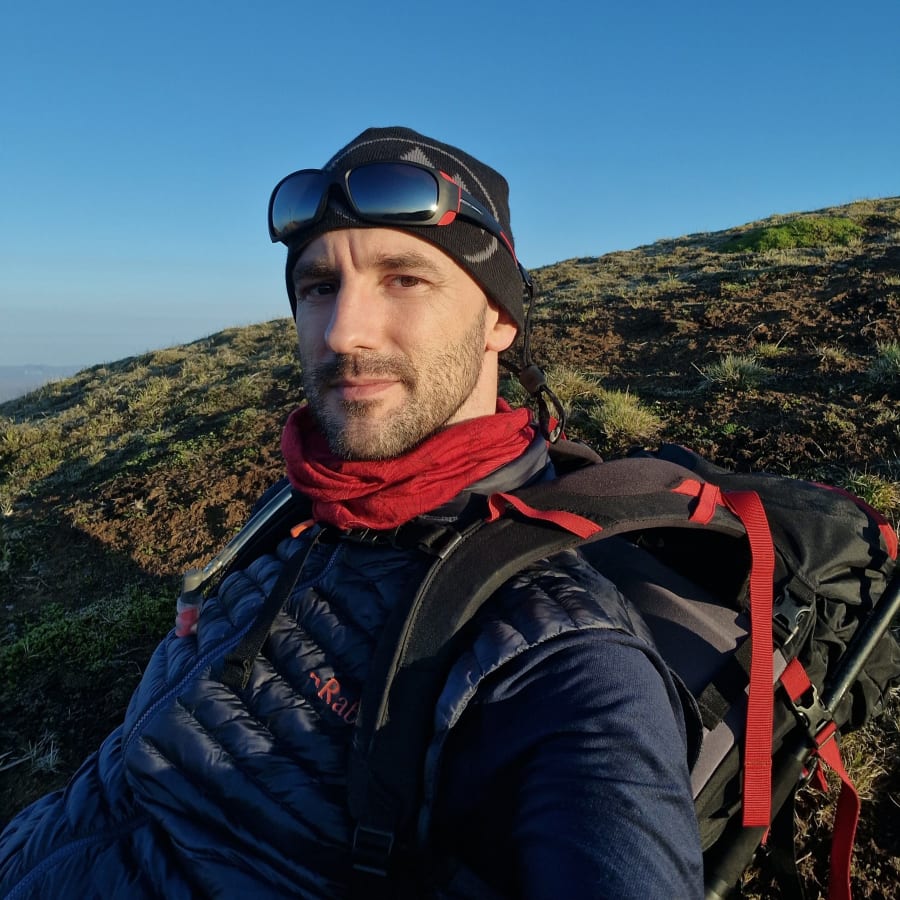
Arnar Ingi has worked across production software, cybersecurity lab operations, startup delivery, applied research, university teaching, search and rescue, and polar field work. Across those domains, the recurring responsibility has been to turn complex, multi-party work into a clear and operable system.
That judgment shapes how Gale Force North approaches technical foundation, architecture, and delivery.
Why The Range Matters
Software delivery, research infrastructure, and field operations use different tools, but complex work creates the same leadership needs: a clear system boundary, visible constraints, assigned ownership, coordinated specialists, controlled risk, and a result that can be operated by others.
Understand the environment, dependencies, unknowns, and failure modes before locking in a solution.
Define who decides, who has access, who operates the system, and where responsibility changes hands.
Keep software, infrastructure, partners, and operational requirements connected to one delivery outcome.
Create a readable path for deployment, administration, maintenance, and handover instead of relying on private knowledge.
For clients, that means technical leadership that connects code, infrastructure, partners, risk, and ownership as one delivery problem.
Scope


Selected Work
The work behind Gale Force North spans startup delivery, cybersecurity infrastructure, applied research, teaching, and field operations. Across the examples, the recurring concern is the same: establish the footing, make constraints visible, coordinate the contributors, and create an operating path.
MSc Research
Arnar Ingi's ongoing MSc research studies how earthquake signals can be observed on the IRIS transatlantic subsea fiber-optic cable between Iceland and Ireland. The work uses high-performance computing platforms to run earthquake simulations and compare synthetic waveforms with observed cable data.
The project is part of a research collaboration with partners including Nokia Bell Labs. A poster from the work was presented at EGU 2025, the European Geosciences Union General Assembly.

Hired as the operational lead for launching Reykjavík University's part of the Frostbyte / NCC-IS cybersecurity lab infrastructure. The work included lab identity, domain setup, student-assistant hiring and supervision, physical servers, virtualization, virtual machines, local networking, equipment setup, early operations, and self-hosted services including Proxmox, GitLab, MinIO, and supporting tools.
In an applied cybersecurity research project during his MSc studies, Arnar Ingi developed a deep-learning pipeline for identifying operating systems from raw memory dumps. The work used kernel extraction, binary disassembly, feature-vector generation, Slurm-based HPC processing, and GPU-accelerated training on a 1.5 TB memory-dump dataset.
Served as technical lead for a Rannís-funded Icelandic startup, shaping architecture, implementation, delivery direction, hiring, and coordination with an external design agency.
Developed the Gale Force North Whirlwind model for repeatable development, staging, and production cloud delivery for production web applications, backend services, admin systems, and customer-facing software platforms.
Earlier booking-platform work shaped the Whirlwind view of how quickly frontend state, content, authentication, checkout, APIs, deployment, and infrastructure become difficult to maintain when they are not owned together.
Field Operations
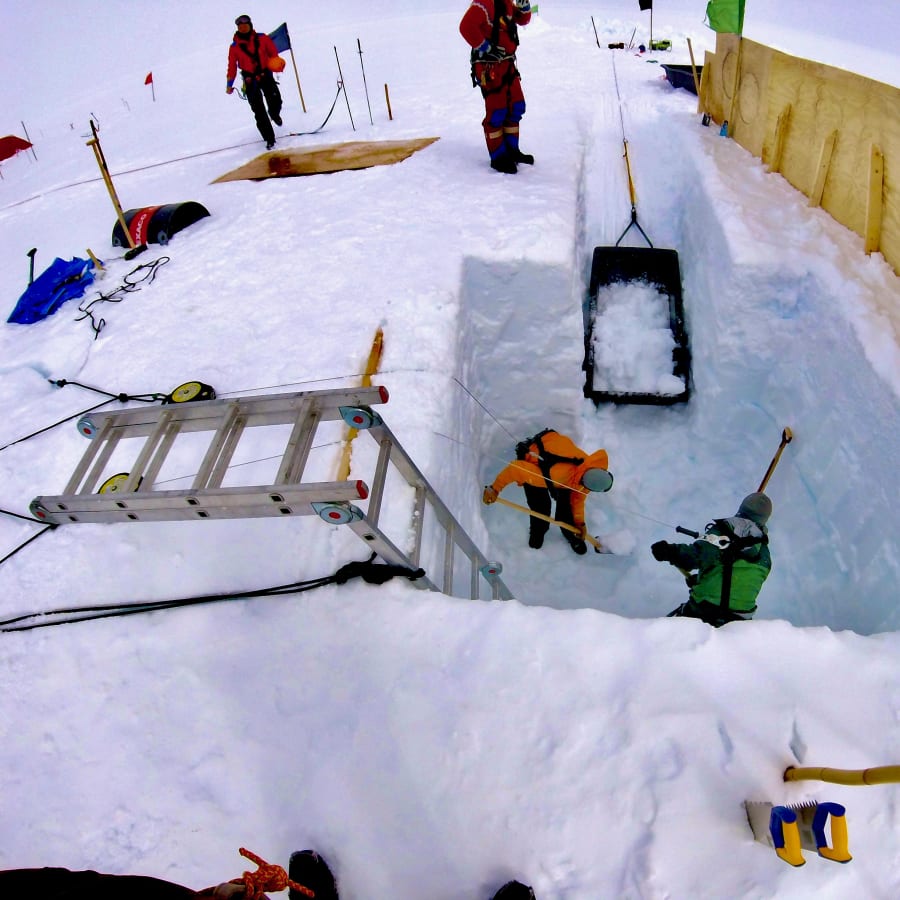
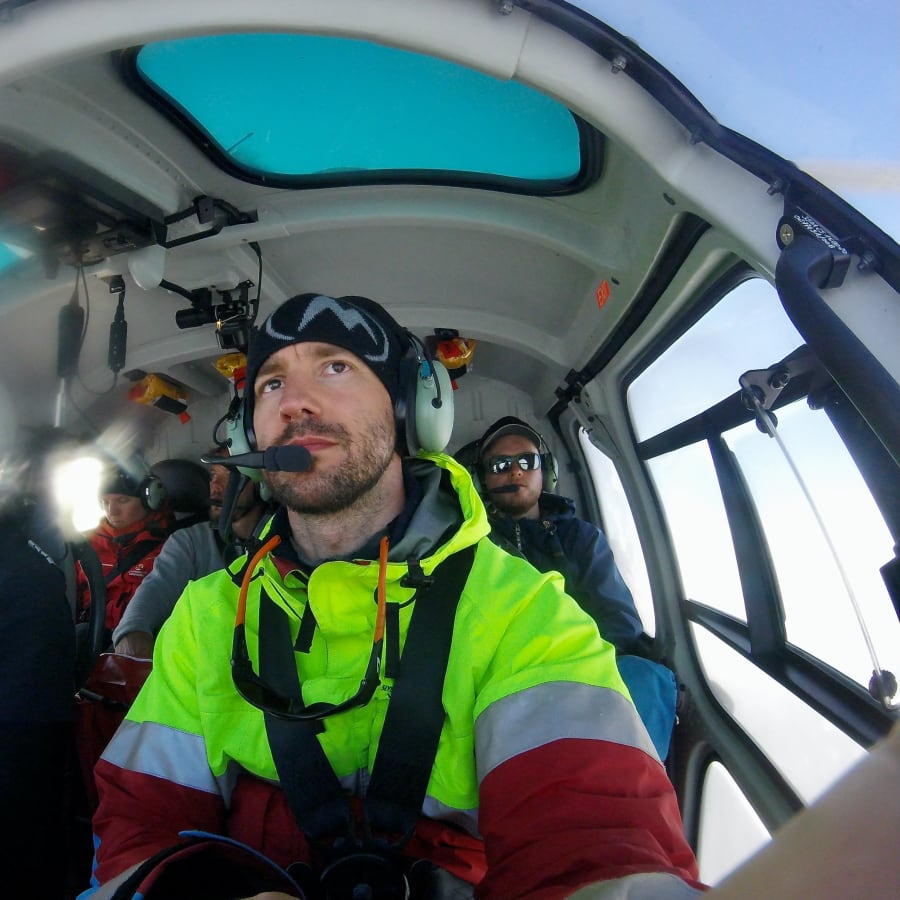
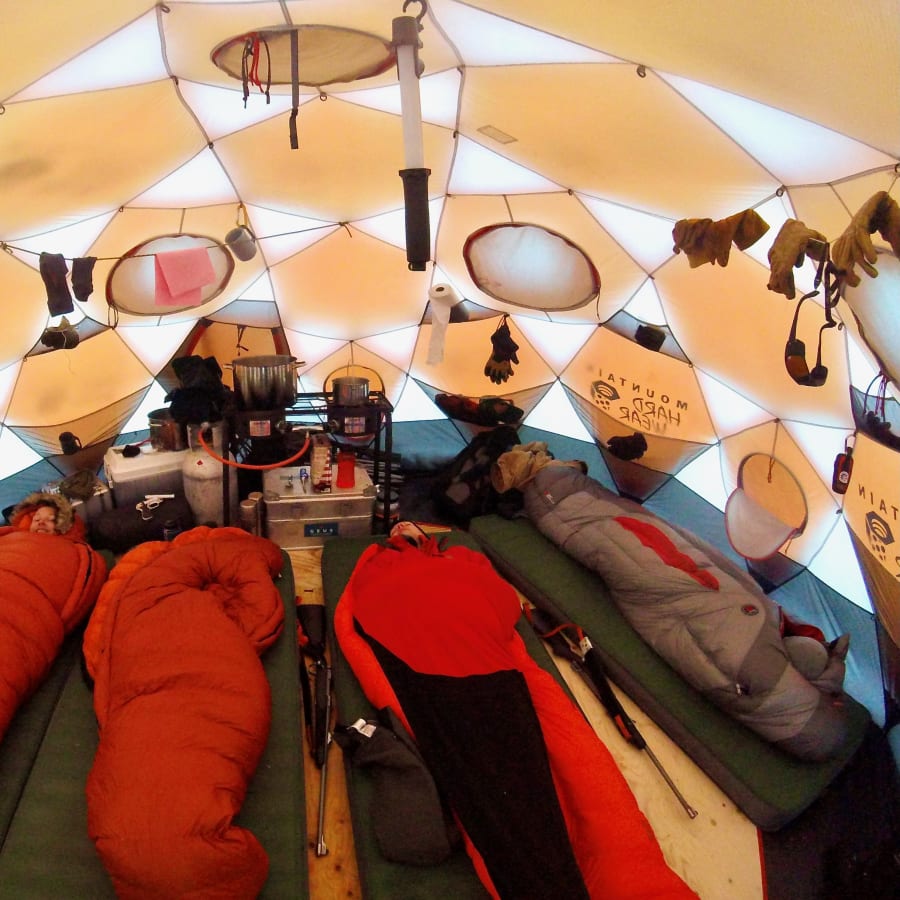
Under Ice documents the final Greenland ice-sheet recovery of the Air France Flight 66 A380 fan-hub fragment. After nearly two years of scientific search and localization work by specialist teams, the recovery party was flown to the confirmed site in a crevasse field and camped on the ice for the extraction. The work involved crevasse-area safety, fall-arrest systems, digging and melting through snow and ice, multi-directional rope hauling, sled movement, winch support, and preparing the more than 200 kg fragment for helicopter sling transport. The operation required preparation around terrain, safety systems, specialist roles, extraction steps, equipment, and helicopter transport. It is a concrete example of the operating discipline described above: understand the environment, make boundaries explicit, coordinate the work, and plan the complete path before execution.

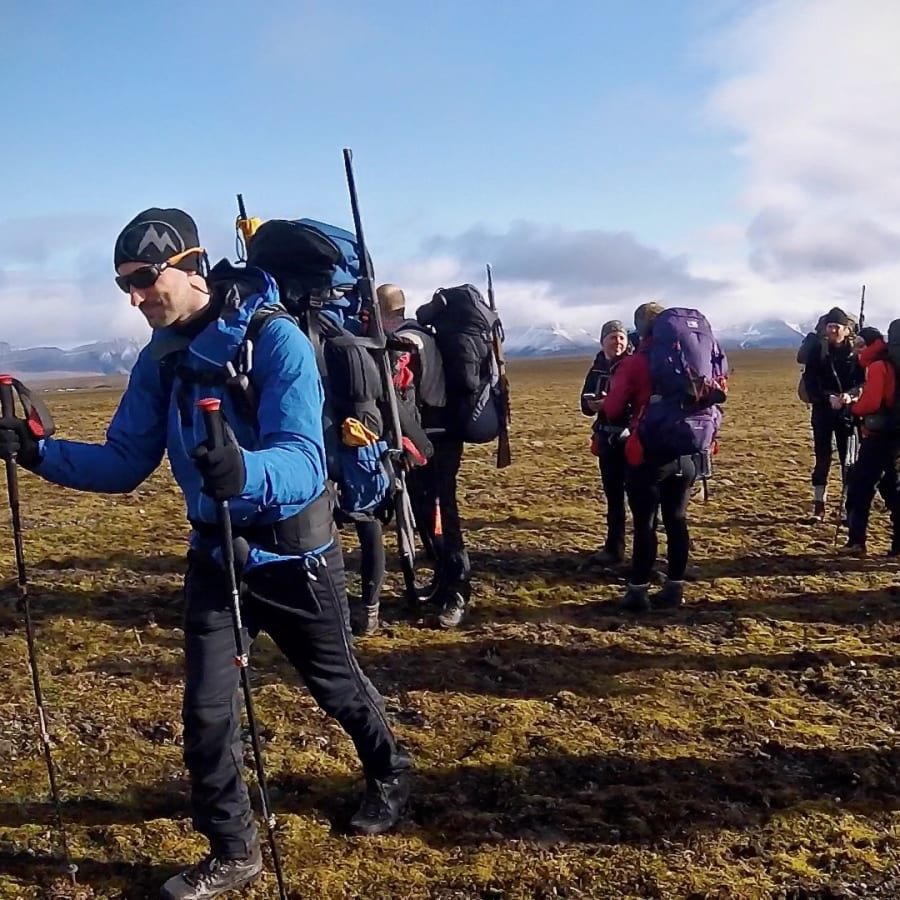
A three-day, 60 km SAR training expedition in Svalbard, planned around route selection, camp logistics, local boat support, satellite communications, polar-bear precautions, and weather-dependent field decisions.

Field camp on the Greenland ice sheet during the Air France Flight 66 fan-hub recovery mission, where the work involved crevasse-area safety, extraction, hauling, and helicopter sling preparation.

Recovery team with the extracted fan-hub fragment after the Greenland ice-sheet operation, shown as the actual field artifact rather than a cropped homepage thumbnail.

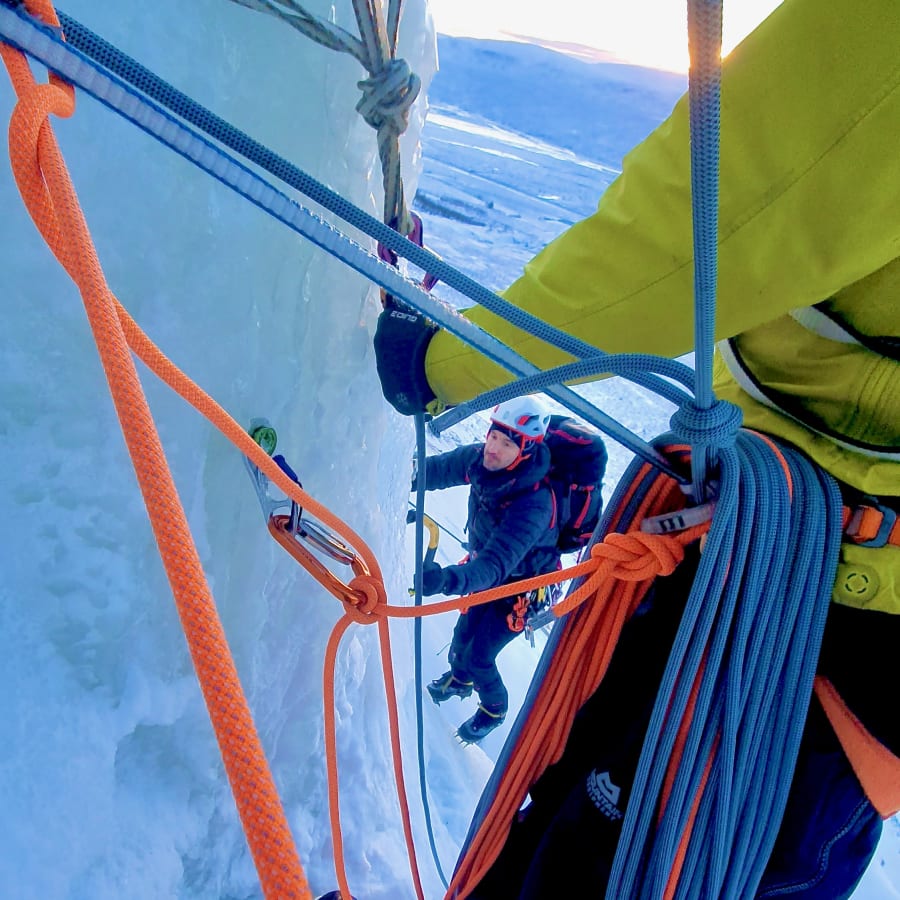
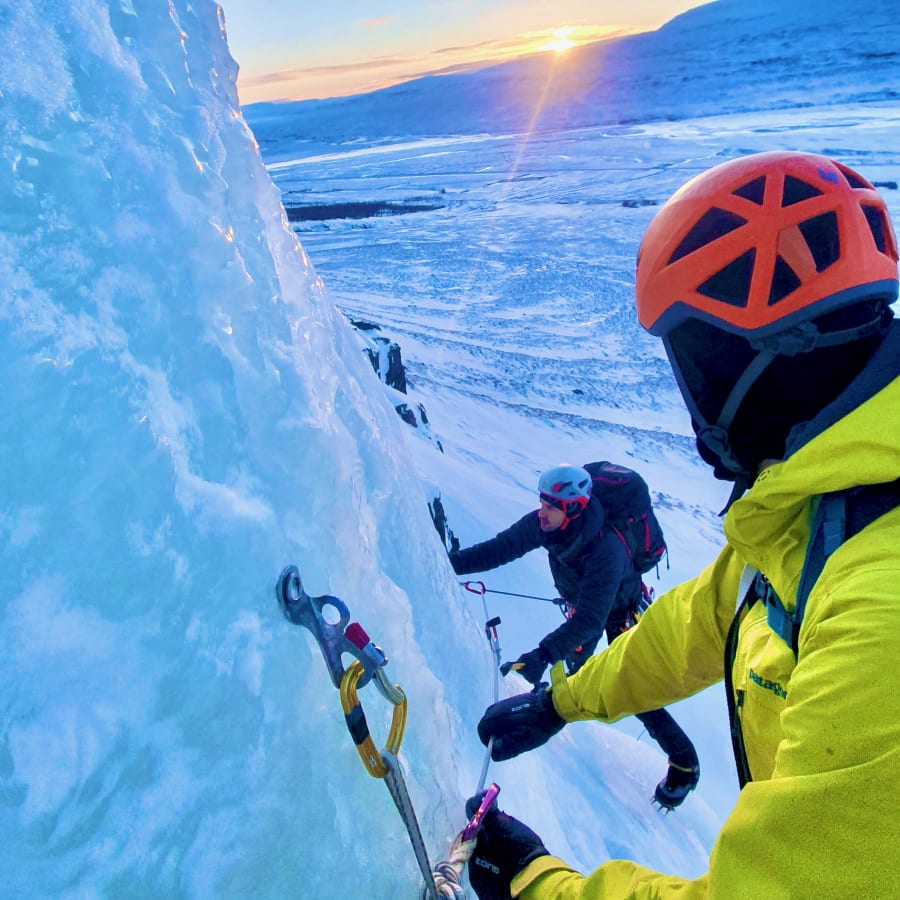
Glacier and ice work where movement, anchors, ropes, equipment discipline, and group safety have to be planned before the work begins.
Field Media
Video material gives deeper context for the Greenland recovery work, Svalbard expedition planning, Icelandic ice climbing, and mountain travel behind the field background.
One-minute trailer for the Greenland ice-sheet recovery documentary.
The full documentary, Svalbard expedition video, and climbing footage provide deeper context for the field work.
The full 30-minute documentary about the Air France Flight 66 fan-hub recovery.
Field video from a three-day, 60 km search and rescue training expedition in Svalbard.
Footage from Single Malt og Appelsín, a WI4+ ice-climbing route in Brattabrekka, Iceland.
Solo hike and summit drone footage from Heiðarhorn in Iceland.
Search And Rescue
This is the practical field background in mountain, glacier, rescue, guiding, and polar operating environments.
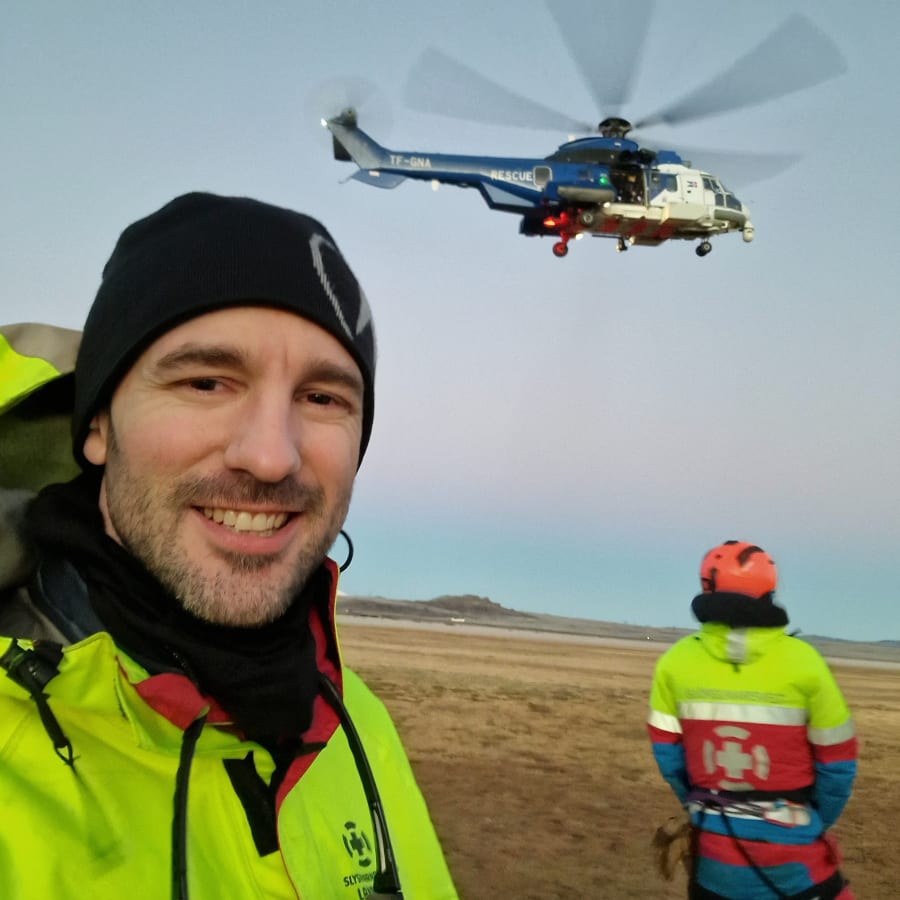
Active Icelandic search-and-rescue work with repeated field training in mountain and glacier environments. The work includes glacier travel, rope systems, crevasse-rescue practice, group movement, equipment discipline, changing weather, and decisions made under practical field constraints.
Planned and led a 60 km Svalbard SAR training expedition, coordinating route planning, local boat support, accommodation, flights, satellite communications, polar-bear safety measures, night watch, rifle and flare-gun readiness, and weather-dependent field decisions.
Worked for several years as a glacier and mountain guide with Arctic Adventures and Icelandic Mountain Guides, leading hikes, super jeep tours, glacier walks, and introductory ice-climbing trips. That work reinforced a practical operating style built around preparation, pacing, equipment discipline, clear communication, and weather-aware judgment.